
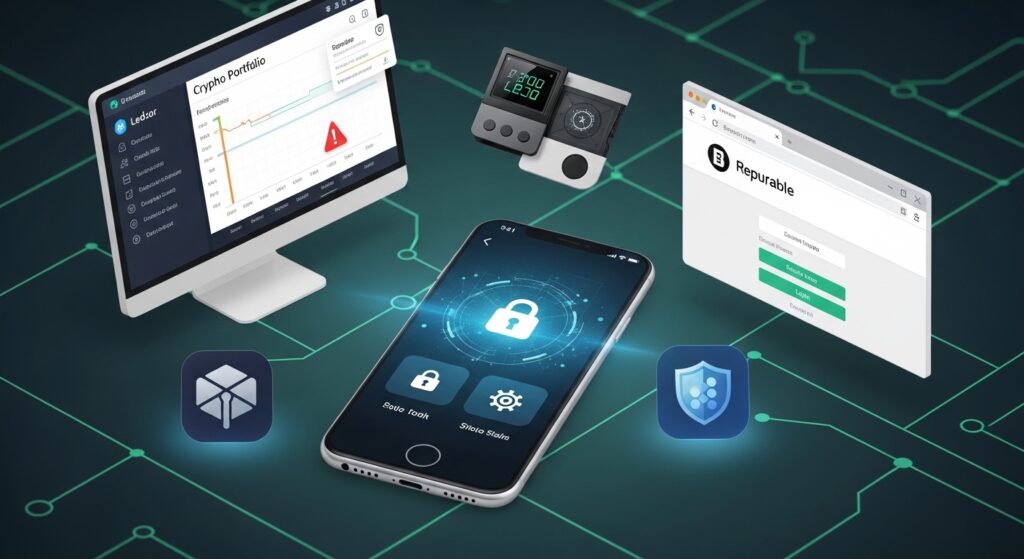
Crypto Security Tools and Apps Every Investor Should Know About
If you’ve dipped your toes into the exhilarating yet sometimes nerve-wracking world of cryptocurrency you already know that securing your digital assets is not just important—it’s critical. Whether you’re a seasoned trader or a curious newbie, having the right tools at your fingertips can be the difference between peace of mind and a total disaster. This week, we’re diving into some top crypto security apps and monitoring tools that every investor should consider to protect their holdings and keep an eye on the fast-moving market.
Let’s face it: crypto security isn’t just about strong passwords and cautious clicks. It’s a layered game involving wallets, alerts, tracking, and sometimes, a little automation. The landscape can feel overwhelming, but with a handful of well-designed apps, you can stay in control without losing sleep. Ready? Let’s get into it.
Why Crypto Security Tools Are Non-Negotiable
Before we jump into the specific apps, here’s a quick reality check. Unlike traditional banking, cryptocurrency doesn’t rely on centralized institutions that can reverse fraudulent transactions or freeze suspicious accounts. Once your crypto is gone, it’s almost impossible to get it back. This makes vigilance essential.
Security tools range from wallets with robust encryption to apps that notify you of suspicious activity or keep you updated on market movements to make smarter decisions. The goal? Build your own fortress around your digital investments.
Essential Crypto Security Apps
1. Hardware Wallets: Ledger & Trezor
Think of hardware wallets as your digital Fort Knox. Devices like Ledger Nano X and Trezor Model T store your private keys offline, significantly reducing the risk of hacks. They’re not apps per se but indispensable companions for serious investors. Both offer companion apps that let you manage assets seamlessly while keeping your keys out of reach from online vulnerabilities.
2. Authenticator Apps: Google Authenticator & Authy
Two-factor authentication (2FA) is the first line of defense beyond your password. Google Authenticator and Authy generate time-based one-time passwords that add an extra barrier to unauthorized access. Authy stands out by allowing multi-device syncing and secure backups, which can save you from getting locked out when changing phones.
3. Portfolio Trackers: CoinStats & Blockfolio (FTX)
Keeping tabs on your investments shouldn’t be a chore. Apps like CoinStats and Blockfolio (now part of FTX) let you monitor multiple wallets and exchange accounts in one sleek interface. Beyond tracking prices, they notify you of unusual transactions and upcoming token events—vital for staying ahead without spending hours glued to charts.
4. Crypto Security Scanners: Etherscan Alerts & CryptoSec
Blockchain explorers like Etherscan aren’t just for developers. Many offer alert systems to notify you of any transactions involving your wallet addresses. CryptoSec is another app that scans your holdings for exposure to scams, phishing attempts, or hacked contracts. Utilizing these tools helps you react swiftly if something fishy pops up.
5. Password Managers: LastPass & Bitwarden
We can’t talk security without mentioning password managers. LastPass and Bitwarden help generate and store complex passwords securely. Many investors make the mistake of using simple or repeated passwords across exchanges and wallets—asking for trouble. These tools are user-friendly and essential allies in maintaining strong security hygiene.
Tips for Getting the Most Out of These Tools
Having these apps installed is step one; using them wisely is step two. Here are some practical tips to up your security game:
- Enable 2FA everywhere it’s offered. Even if it seems like a minor hassle, it dramatically reduces your risk.
- Keep your hardware wallet recovery phrase offline. Never store it in your email or cloud storage.
- Regularly update your apps and device firmware. Developers constantly patch vulnerabilities, so staying current is crucial.
- Consider alerts for wallet activity. Instant notifications can prevent losses and give you a chance to respond rapidly.
- Be skeptical of unsolicited links or offers. No matter how authentic they look, double-check before clicking.
Putting It All Together
Building a solid crypto security routine is like assembling a safety net: every app and tool adds a layer of protection. Using a hardware wallet alongside an authenticator app and monitoring your assets through portfolio trackers and security scanners covers most bases for individual investors. Crypto Security Tools and Apps
Of course, the crypto world is constantly evolving, and so are the risks. Keep curious, keep learning, and don’t shy away from experimenting with new tools as they come onto the market. Your digital assets deserve the best defense you can provide.
Until Next Time
Thanks for sticking with me through this dip into crypto security essentials. I hope you found some new tips or apps to try out that can simplify your digital asset management and fortify your peace of mind. Next week, we’ll explore some lesser-known DeFi platforms worth watching—so stay tuned!
Remember, you’re not alone in this journey; this community is here mastering the crypto terrain together. Stay safe, stay curious, and see you soon!