
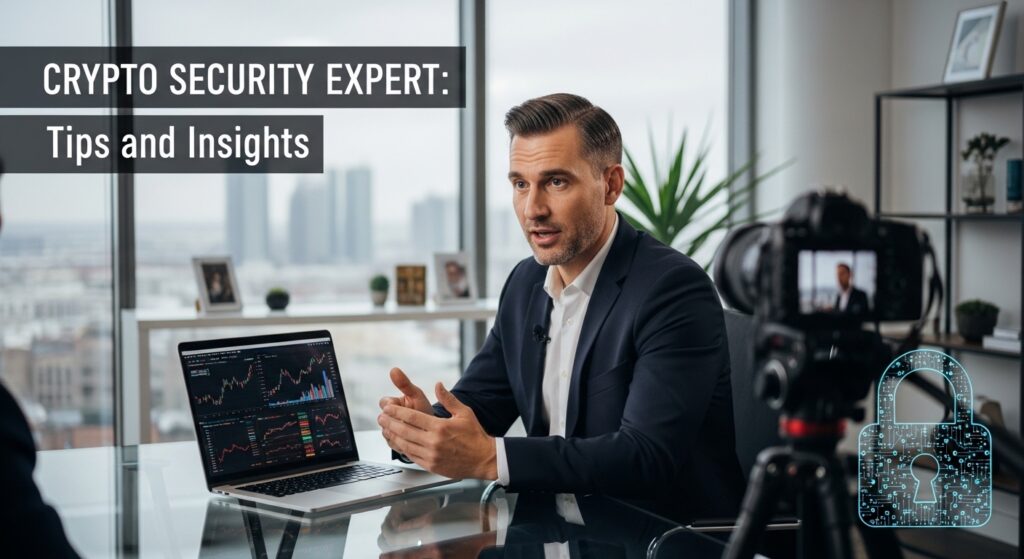
Interview with a Crypto Security Expert: Tips and Insights to Keep Your Digital Assets Safe
Welcome back to the blog! If you’ve ever dipped your toes into the world of cryptocurrency you know it’s a space full of exciting possibilities—and, admittedly, a few scary pitfalls. Whether you’re a seasoned hodler or a curious beginner, staying safe in crypto is non-negotiable. This week, we’re diving into the essential topic of crypto security with insights straight from the front lines.
I recently had the pleasure of chatting with Jamie Carter, a cybersecurity expert who specializes in blockchain and crypto asset protection. Jamie’s perspective is refreshingly clear and grounded, cutting through the noise and hype that often complicate online security advice. Let’s unpack some of their top tips, along with a few practical takeaways you can start implementing today.
Why Crypto Security Isn’t Just Tech Jargon
The first thing Jamie made clear is that crypto security isn’t merely about fancy encryption or complicated software. “It’s about mindset, habits, and being aware,” they explained. It’s tempting to think trusting a password manager or a hardware wallet is all you need, but without a holistic approach, your assets can still be vulnerable.
Jamie points out that crypto users often make mistakes not because they don’t care, but because digital security can feel abstract. “We don’t physically hold our money anymore. So sometimes it’s hard to realize the gravity of losing private keys or falling for phishing scams,” they said. The stakes are high because, unlike traditional banks, if funds are stolen from your crypto wallet, there’s usually no recourse. The ecosystem is fiercely decentralized, which is a blessing and a curse.
Top Tips From the Expert
Jamie distilled a few solid pieces of advice into actionable tips:
- Invest in a reputable hardware wallet: “Think of this as your cold storage vault,” Jamie says. Hardware wallets like Ledger or Trezor keep your private keys offline, dramatically reducing hacking risks. While software wallets are convenient, they’re more exposed to malware and browser vulnerabilities.
- Use strong, unique passwords and a trustworthy password manager: Don’t reuse passwords or rely on simple, guessable ones. Password managers aren’t perfect, but they’re a huge upgrade over sticky notes or brain-tied passwords.
- Beware of phishing scams—always double-check URLs and emails: “Phishing is still hands down the most common way people lose access,” Jamie warns. Fake emails, sites, and even social media accounts can trick users into handing over sensitive info. If you get a suspicious message, don’t rush—take a moment to verify the source.
- Enable two-factor authentication (2FA): “But choose your 2FA method carefully,” Jamie adds. Authenticator apps like Google Authenticator or Authy are safer than SMS-based codes because phone numbers can be hijacked through SIM swapping.
- Keep software up to date—not just wallets but your device OS: Security patches are crucial. Attackers exploit outdated systems easily.
- Think twice before sharing info online: On forums, social media, or chats about crypto, avoid giving out personal details or your exact holdings. “Openness is good for community, but too much transparency can paint a target on your back,” Jamie points out.
- Backup your private keys securely: Write them down on paper (never digital files on cloud or devices) and store them in multiple secure locations. Losing your seed phrase means losing your crypto.
How to Spot a Scam—Because They’re Getting Sneaky
Jamie described just how slick some scammers have become. “Some phishing sites look identical to legitimate ones, down to typos on URLs. Scammers impersonate legit tech support or promo giveaways on social media and messaging apps.”
Jamie’s advice? “If something sounds too good to be true, it probably is. Never send crypto to anyone in exchange for guaranteed returns or free coins.” They also recommend regularly educating yourself on common scam tactics and checking official channels for news.
What About Decentralized Exchanges and Smart Contracts?
We also touched on the risks involved with DeFi platforms and smart contracts. Jamie stressed the importance of understanding what you’re interacting with. “Not all projects undergo rigorous audits, and some contracts can have hidden backdoors or bugs.” They advise sticking to well-known protocols with transparent security practices until you feel more confident.
Jamie also encouraged users to start with small amounts when trying new services. “Test the waters before you dive in.” It’s a sound approach in any high-risk landscape.
A Mindset Shift: Security as a Continuous Practice
What resonated most was Jamie’s emphasis on treating crypto security as an ongoing habit rather than a one-time setup. “Crypto is evolving fast, and so are the threats. Stay curious, stay cautious, and never stop learning.”
Whether it’s refreshing your knowledge about phishing, regularly checking your hardware wallet’s firmware, or simply pausing before you click a suspicious link, consistent vigilance is key. Security isn’t about paranoia—it’s about respect for your assets and the ecosystem’s openness.
Final Thoughts and Takeaways
If you take nothing else away from this conversation, here’s my personal spin on Jamie’s expert advice:
- Secure your private keys like life insurance—not to be shared or stored online carelessly.
- Be skeptical of any unsolicited crypto advice or “too good to be true” offers.
- Use multiple layers of security—hardware wallets, strong passwords, 2FA—to build your own fortress.
- Continuously educate yourself. The crypto world changes quickly, and so do tactics used by bad actors.
Ultimately, the power and freedom of crypto come with responsibility. But with the right tools and mindset, you can navigate this exciting space with confidence and peace of mind.
Thanks for reading! Stay tuned for next week’s post, where we’ll explore practical ways to diversify your crypto portfolio without losing sleep over risks. Until then, keep learning and keep safe out there—our community is stronger when we protect each other.