
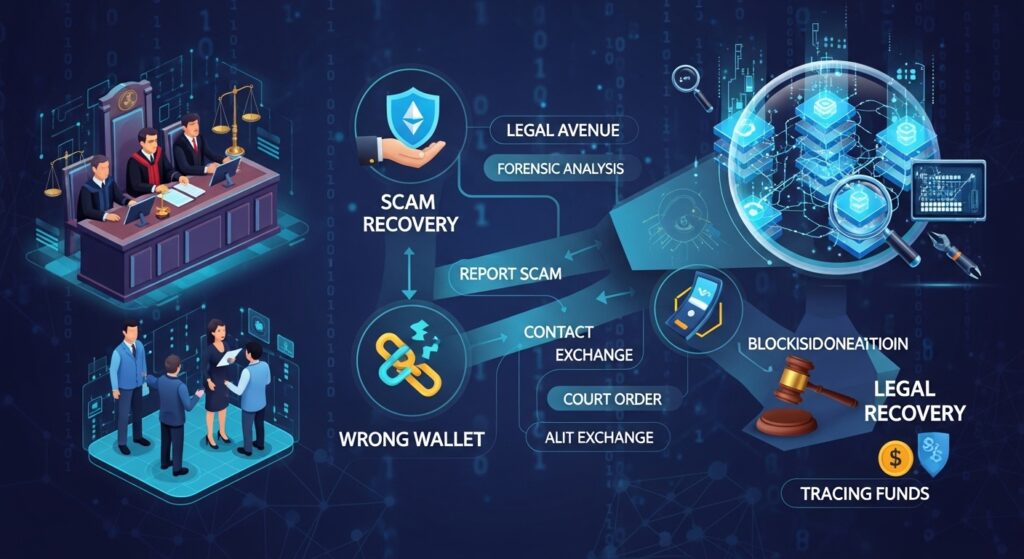
How to Recover Lost Cryptocurrency online in the USA: Navigating the Maze of Crypto Recovery
If you’ve ever dipped your toes into the world of cryptocurrencies, you know it’s a thrilling ride—full of promise, innovation, and yes, some potential pitfalls. One of the biggest concerns crypto users face today is the risk of losing funds, whether through scams, hacking, or simple mistakes. If you find yourself in this unfortunate spot, the good news is that recovering lost cryptocurrency in the USA is not always a lost cause. In this post, we’ll explore how professional crypto recovery services, legal support, and blockchain forensic investigations can help you get your funds back and navigate this complex landscape with confidence.
Why Recovery Isn’t Always Impossible
There’s a pervasive myth that once your cryptocurrency is gone, it’s gone forever. This is partly true because cryptocurrencies operate on blockchains—which are immutable by design. However, the story is far from over if your funds were lost due to theft, scam, or mismanagement rather than an irreversible error (like sending crypto to an invalid address).
Thanks to advances in blockchain forensic investigation and the rise of professional crypto recovery services in the United States, many people have successfully reclaimed their lost assets. These specialists combine deep technical know-how with legal savvy to trace transactions, identify culprits, and work with law enforcement or exchanges to freeze or recover stolen funds.
What Does a Professional Crypto Recovery Service Do?
If you suspect you’ve fallen victim to a hack or scam, contacting a professional crypto recovery service in the United States should be your next step. These companies act as your detective and advocate, analyzing the blockchain to track where your funds have gone. Their expertise covers:
- Transaction tracing: Blockchain forensic experts use specialized tools and techniques to follow the trail of your crypto, even when scammers try to hide their tracks through mixing services or chain hopping.
- Identifying wallets and exchanges: Pinpointing which wallets hold stolen funds can open the door to cooperation with cryptocurrency exchanges to freeze assets or claw them back.
- Technical assistance: Sometimes the loss involves user error—like misplacing private keys or sending coins to the wrong address—and recovery firms can help with wallet recovery or investigating backup options.
Remember, timing matters. The sooner you engage with these services after discovering a loss, the higher the chances of recovery.
Legal Help for Crypto Scam Victims in the US
Crypto scams have become rampant, ranging from Ponzi schemes and fake ICOs to phishing attacks and impersonation scams. In the USA, victims of such frauds have options beyond just trying technical recovery. Legal help for crypto scam victims in the US is more accessible than ever, with lawyers specializing in digital assets and cybercrime.
Legal professionals can assist by:
- Filing complaints: Reporting scams to the Federal Trade Commission (FTC), the Securities and Exchange Commission (SEC), and other regulatory bodies.
- Litigation: Initiating civil suits against scammers or negligent parties who facilitated the fraud.
- Working with law enforcement: Coordinating investigations with agencies like the FBI’s Cyber Division to track down perpetrators.
What’s key here is that laws around cryptocurrency are evolving. Many states have introduced regulations that recognize crypto as property or financial instruments, which can offer additional protection to victims. Having a skilled attorney who understands these nuances is invaluable for navigating claims or recovering assets legally.
The Power of Blockchain Forensic Investigation Services
One of the most fascinating—and effective—tools in the fight against crypto crime is blockchain forensic investigation. This involves analyzing the public, transparent ledger that cryptocurrencies run on to detect patterns and link transactions to real-world actors.
In the United States, specialized forensic firms offer this service to help trace stolen or lost cryptocurrency. By mapping the flow of coins through various addresses and exchanges, they can often identify where funds ended up, which is critical for both recovery and prosecution.
These services typically include:
- Address clustering: Grouping related addresses controlled by the same entity.
- Transaction graphing: Visualizing the movement of funds to spot suspicious activity.
- Exchange collaboration: Engaging with exchanges to flag illicit funds and suspend withdrawals.
The beauty of blockchain forensic work is that it leverages the very transparency that makes blockchains unique—every transaction is recorded forever, enabling experts to piece together insights that would be impossible in traditional banking fraud.
Practical Tips if You’ve Lost Cryptocurrency
Before you panic or throw in the towel, here are some practical steps to take if you believe your cryptocurrency has been compromised:
- Document everything: Keep records of the transaction IDs, wallet addresses, emails, and any communication related to the loss or scam.
- Contact exchanges immediately: If you know the stolen funds were sent to a specific exchange, alert them to freeze the assets if possible.
- Engage a professional recovery service: Don’t try to go it alone; the blockchain world is complex, and specialists have the right tools and connections.
- Seek legal advice: Especially if the amount lost is significant or the case involves fraud, a lawyer’s guidance can protect your rights.
- Avoid sharing sensitive information: Be wary of further scams promising easy recovery—always verify credentials before trusting anyone.
Looking Ahead: Building a Safer Crypto Future
While it’s true that recovering lost cryptocurrency can be a challenging process, the combination of professional recovery services, legal assistance, and forensic investigation is steadily improving the outlook for victims. Equally important is the growing awareness within the crypto community about security best practices, regulatory developments in the US, and the tools available to fight back.
For anyone invested or interested in cryptocurrencies, staying informed and proactive is essential. Whether you’re a casual investor or someone managing a larger portfolio, knowing where to turn if things go wrong can make all the difference.
Thanks for joining me on this exploration of crypto recovery options in the US. Stay tuned for next week’s post where we’ll dive into the top security tips every crypto enthusiast should follow to protect their digital assets from the get-go.
Until then, stay curious, stay safe, and don’t lose faith in the promise of blockchain innovation—even when things get complicated.