
How to Choose a Secure Crypto Wallet: A Beginner’s Guide to Protecting Your Assets
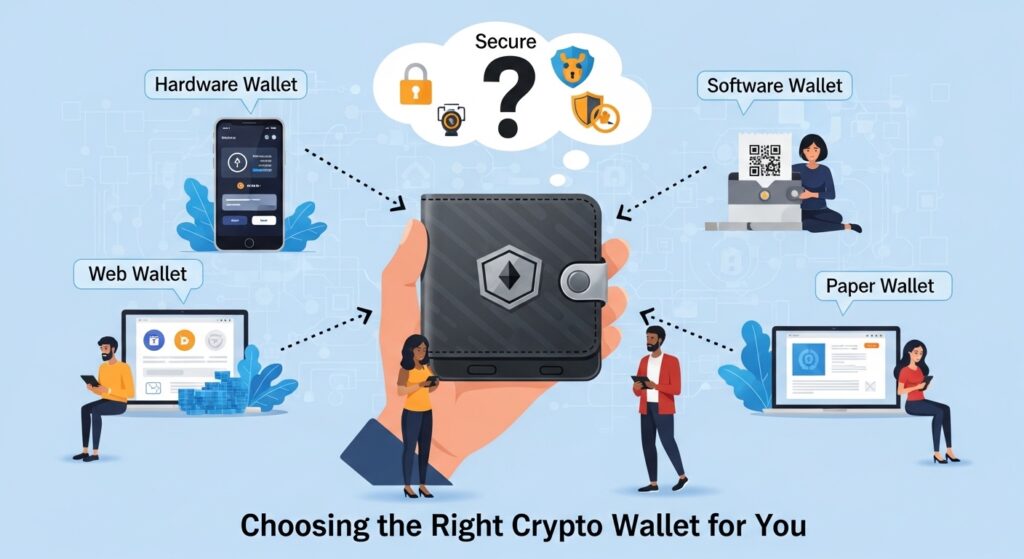
Welcome to the dynamic and sometimes complex world of cryptocurrency. For those new to this space, one of the most critical decisions is how to securely store your digital assets. Consider your crypto wallet as a digital safe; however, unlike a traditional safe, losing access or experiencing a security breach could result in the permanent loss of your assets. How can you select a wallet that safeguards your investment while remaining user-friendly for beginners? This guide provides a clear and concise overview.
We will examine the various types of crypto wallets, essential security features to consider, and practical advice to help you avoid common mistakes. By the end, you will be better equipped to choose the appropriate wallet for your needs and protect your cryptocurrency with confidence.
Why Wallet Security Is Crucial
Before exploring wallet options, it is important to understand a fundamental reality: cryptocurrency differs significantly from traditional money held in bank accounts, which often have safety nets or password recovery options. Crypto wallets store the private keys to your coins, and if these keys are lost or stolen, the blockchain provides no recourse—no customer support or refunds.
Therefore, selecting a secure wallet is paramount. This decision is not solely about convenience but about protecting your digital assets from hackers, phishing attacks, and accidental loss.
Types of Crypto Wallets: Hot vs. Cold
Crypto wallets generally fall into two categories: hot wallets and cold wallets.
- Hot wallets are connected to the internet. They offer quick and easy access, making them suitable for frequent trading and spending. Examples include software wallets on mobile devices or computers, as well as web-based wallets.
- Cold wallets operate offline, storing private keys in a physically isolated environment to protect against online threats. Hardware wallets and paper wallets are typical examples.
While hot wallets are more accessible for beginners, they carry higher security risks. Cold wallets require additional effort but provide enhanced security, making them ideal for long-term storage.
Key Security Features of a Crypto Wallet
When selecting a wallet, consider these essential security attributes:
- Private key control: Ensure the wallet allows you full control over your private keys. Wallets where you retain your keys are significantly safer than those controlled by third parties, such as exchanges.
- Backup and recovery options: A reliable wallet provides secure methods to back up your keys, often through a seed phrase, and restore access if your device is lost or damaged.
- Strong encryption: The wallet should encrypt private keys and sensitive data locally to prevent unauthorized access.
- Open-source software: Wallets with open-source code are preferred by many experts, as community scrutiny helps identify vulnerabilities and enhance security.
- Two-factor authentication (2FA): Additional security layers, such as 2FA, help protect your account if login credentials are compromised.
- Regular updates: Active maintenance by developers is critical to patch security flaws and improve wallet functionality.
Recommended Wallet Options for Beginners
Below is an overview of wallet types that balance security with ease of use:
- Software wallets: Applications like Exodus and Trust Wallet are user-friendly and support multiple cryptocurrencies. They store private keys on your device and typically include backup phrases.
- Hardware wallets: Devices such as Ledger Nano S and Trezor represent the highest security standard. They keep keys offline and require physical confirmation for transactions, making them ideal for safeguarding larger holdings.
- Mobile wallets: For frequent access with reasonable security, mobile wallets like Coinomi and MetaMask offer convenient options for daily transactions and interaction with decentralized applications (dApps).
Note: Avoid storing significant amounts on exchange wallets. Although convenient, exchanges are frequent targets for cyberattacks, and you do not control the private keys.
Additional Safety Practices
Choosing a secure wallet is only the first step. Safe practices are equally important:
- Protect your backup phrase: Record it on paper and store it securely offline. Avoid digital or online storage to prevent hacking or theft.
- Exercise caution with public Wi-Fi: Access wallets and conduct transactions only over trusted, private networks.
- Remain vigilant against phishing: Verify website URLs carefully, be wary of unsolicited requests for your keys or seed phrases, and never share private keys.
- Use hardware wallets for long-term storage: As your portfolio grows, consider transferring assets to cold storage for enhanced protection.
- Keep software updated: Regularly update wallet applications to benefit from security patches and improvements.
Conclusion
Selecting the appropriate crypto wallet is a deliberate and essential step in your cryptocurrency journey. The ideal wallet balances security, control, and usability. Begin with manageable amounts, safeguard your keys diligently, and as you gain experience, explore more advanced security solutions.
In our next guide, we will discuss how to identify and avoid common cryptocurrency scams. Until then, remain informed, cautious, and enjoy your investment journey.