
lost crypto recovery blockchain
lost crypto recovery blockchain
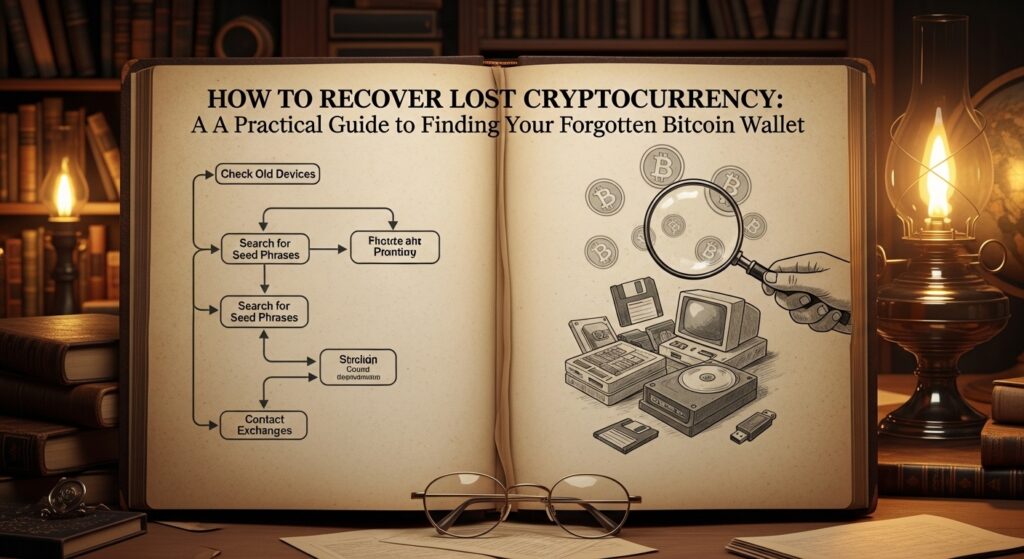
How to Recover Lost Cryptocurrency: A Practical Guide to Finding Your Forgotten Bitcoin Wallet
If you’ve ever misplaced your crypto wallet or forgotten access to your Bitcoin stash, you’re not alone. The decentralized, secure nature of cryptocurrencies is a double-edged sword: while it protects your assets from theft, it also means there’s no “forgot password” button or bank to call when things go missing. But don’t panic! In today’s post, we’re diving into what you can do if you’ve lost a crypto wallet, how to recover lost Bitcoin, and practical tools—like FundsRecoveryExpert.com—that can help you trace and restore your funds.
Why Losing Cryptocurrency Is More Common Than You Think
Losing access to your crypto might sound like a nightmare, but in truth, it happens more often than you’d expect. Wallet files get deleted, keys go missing, or people simply forget which address holds their assets. Unlike traditional banking, crypto relies on private keys—complex codes that prove your ownership. If you lose those keys, your cryptocurrency might technically still exist, but it could be effectively lost forever.
So, how do you recover lost Bitcoin or find a wallet you misplaced months (or years) ago? Let’s break down the steps clearly and calmly, so you can feel more in control of the situation.How to Recover Stolen Cryptocurrency
Step 1: Understand What You’ve Lost and What You Need to Recover
A lost crypto wallet can mean several things:
Lost private keys or seed phrase—No access to your funds without them.
Forgotten wallet file location—Found your wallet software but not where the actual wallet file lives on your device.
Lost wallet address—You’re trying to find the public address of a wallet to check on or move funds.
Each situation requires a tailored approach. For example, if you have your wallet file but lost the key, it’s nearly impossible to regain access; if you lost the location of your wallet file, recovery is technically feasible.Can Cryptocurrency be Recovered
Step 2: Retrieving Lost Wallet Files
If you suspect your wallet file (like a Bitcoin Core wallet.dat) was deleted or misplaced on your computer, here are practical tips:
Search Thoroughly: Look in common default directories—Documents, AppData (Windows), or Library (macOS) folders.
Use File Recovery Software: Programs like Recuva or Disk Drill can scan your hard drive for deleted files. Timing is key—the sooner you run these, the better your chances. How to Recover Stolen Crypto
Check Backups: Think back if you ever copied wallet files to USB drives, cloud storage, or external hard disks.
Remember, wallet files are essential but aren’t useful without the private key or seed phrase. So keeping backups is crucial.
Step 3: Recovering Lost Private Keys or Seed Phrases
Here’s where things get trickier. Private keys or seed phrases are usually your only path to accessing your crypto. If you lost these, here’s what you can do:
Brainstorm Where You Stored Them: Physical notebooks, password managers, encrypted notes, or even printed paper wallets.
Search Digital Vaults: Maybe your keys are stored in password apps like 1Password or LastPass, encrypted files, or hidden folders.
Try Memory Triggers: Sometimes revisiting old emails, messages, or conversations about crypto might jog your memory about where you saved the keys.
If all else fails, professional wallet recovery services can sometimes help, as they apply specialized tools and experience to dig through lost data fragments.
Step 4: Finding Lost Bitcoin Wallet Addresses
There are plenty of situations when you remember owning Bitcoin but can’t recall the wallet address—or which wallet was holding your funds. Here’s how to approach it:
Review Past Transactions: If you ever sent or received Bitcoin from that wallet, check email confirmations, exchange histories, blockchain explorers, or wallet apps for transaction records.
Explore Blockchain Explorers: Tools like Blockchain.com, Blockstream.info, or BTC.com allow you to enter known addresses or transaction IDs to uncover wallet details.how to recover lost Ethereum
Linked Accounts: Think about exchanges or third-party services you might have connected to. Sometimes you can find your addresses via account history there.
Wallet addresses alone won’t unlock your funds without private keys, but finding the address can at least confirm where your assets are and whether they’re intact. how to recover lost Ethereum
Step 5: Using FundsRecoveryExpert.com to Recover Lost Cryptocurrency
One resource gaining attention lately is FundsRecoveryExpert.com. This service specializes in helping people recover lost crypto assets, whether it’s from lost wallet keys, forgotten exchanges, or other complicated situations.
How can they help? FundsRecoveryExpert combines advanced data analysis with blockchain investigation techniques to track down lost wallets and addresses. They can:
Recover forgotten or inaccessible wallet addresses.
Assist in locating missing private keys or retrieving wallet credentials.
Advise on next steps for recovering funds securely.
Importantly, they work with a customized approach since every loss scenario has unique challenges.
If you’re considering such a service, remember to do your research. Only use reputable providers with clear terms and privacy guarantees—never share your private keys publicly. FundsRecoveryExpert.com emphasizes security and confidentiality, which is critical in this sensitive field.how to get stolen crypto back
Some Extra Tips for Avoiding Crypto Loss in the Future
Learning how to recover lost cryptocurrency is vital, but prevention is even better. Here are a few best practices:
Back up your seed phrase offline: Store it in multiple secure places, like fireproof safes or safety deposit boxes.
Use hardware wallets: They provide extra protection against theft and loss.
Keep a physical copy: Digital-only storage can fail or be hacked.
Document your crypto holdings: Maintain records of wallet types, addresses, and access methods.
With crypto ownership comes responsibility. The more organized and cautious you are, the less chance you’ll face a wallet or key crisis.how to recover lost bitcoin
Closing Thoughts
Losing access to your cryptocurrency can feel like losing a small fortune in thin air—but all hope is not lost. Understanding the difference between lost wallets, lost keys, and lost addresses is crucial. Combining careful detective work and the help of recovery experts can bring your crypto “home” again.
If you find yourself overwhelmed or stuck, don’t hesitate to explore legitimate services like FundsRecoveryExpert.com, which specialize in navigating these tricky waters. Remember, in the crypto world, patience, careful documentation, and security-first thinking are your best allies. lost crypto recovery blockchain